


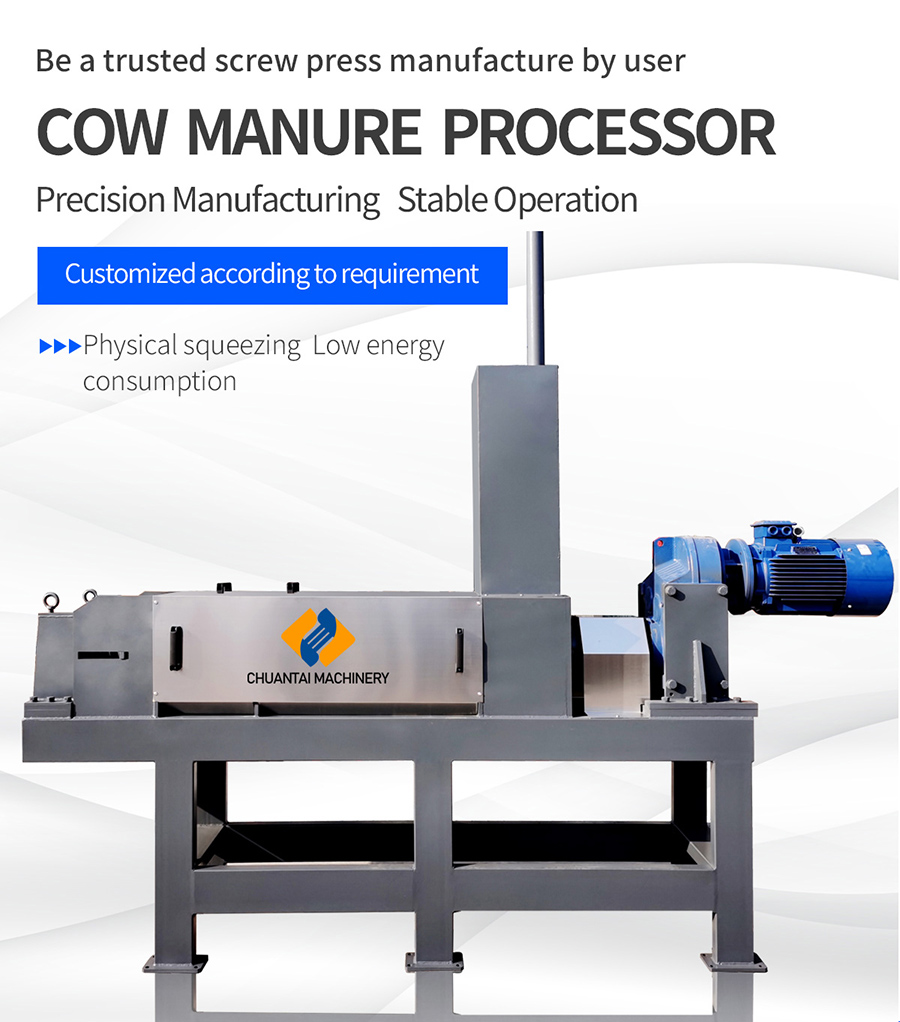
Every livestock farm and biogas plant deals with the same daily challenge: too much wet manure, and nowhere practical to put it. An industrial manure separator solves that problem at the source by turning a heavy, semi-liquid slurry into two easy-to-handle streams — a stackable solid and a nutrient-rich liquid. Instead of paying to transport water, farms can store, sell, or reuse what the separator produces. In this guide we explain how a screw press manure separator works, what it can process, what specifications matter, and how to select the right machine for your operation. It reflects the engineering approach used by Chuantai Machinery, a manufacturer of screw press dewatering equipment since 2011.
Key takeaways
An industrial manure separator splits raw manure into solids (35–50% moisture) and a reusable liquid fraction.
Screw press units handle 5–30 m³/h depending on model, with screen gaps from 0.25 mm to 2.0 mm.
Separated solids can be used as organic fertilizer, bedding, feed additive, or biomass fuel; the liquid suits irrigation or biogas digestion.
Capacity, screen size, construction material, and after-sales support are the four decisions that matter most when buying.
What Is an Industrial Manure Separator?
An industrial manure separator is a continuous-duty machine that uses mechanical extrusion and filtration to remove water from animal manure and similar organic slurries. “Industrial” refers to the fact that these units are built for round-the-clock farm and plant operation rather than intermittent household use: they run on three-phase power, use corrosion-resistant contact parts, and are sized by throughput in cubic meters per hour.
The most common type is the screw press manure separator. A rotating screw pushes material against a screened cylinder, forcing liquid out through the mesh while the solid fraction is conveyed toward the discharge end. Because the pressure is applied gradually, the machine can process fresh slurry, biogas residue, and even food-processing waste without pre-thickening.
The output is two products:
Solid fraction — a moist but stackable material with roughly 35–50% moisture content.
Liquid fraction — a nutrient-containing filtrate that flows out through the drainage pipe.
How a Screw Press Manure Separator Works
Understanding the working principle makes it much easier to judge whether a separator fits your farm. A typical cycle looks like this:
Feeding. A submersible or screw pump delivers liquid manure into the inlet of the machine. No manual loading is required.
Conveying and squeezing. Inside the unit, a stainless steel screw shaft rotates slowly — commonly around 45 rpm — and drives the material forward. As the space between the screw and the screen narrows, pressure builds.
Filtration. Water is pressed through a wedge-shaped stainless steel screen mesh. The gap is adjustable, usually between 0.25 mm and 2.0 mm, so the same machine can be tuned to cow dung, pig manure, or finer slurries.
Discharge of solids. The dewatered material is pushed out of the outlet as a semi-solid cake with a moisture content of approximately 40–50%.
Dryness control. Many models include an adjustable outlet spring. Tightening or loosening the spring changes the back-pressure and therefore the final dryness of the solids.
Liquid collection. The separated liquid leaves through a drainage pipe (typically 110 mm on mid-size models) and can be directed to a lagoon, irrigation line, or biogas digester.
A more detailed breakdown of the mechanism and its component materials is available on the cow dung dewatering machine product page.

Key Components of an Industrial Manure Separator
The durability of a separator comes down to a handful of parts. When comparing suppliers, ask what each one is made of.
Screw shaft — normally stainless steel, since it is in constant contact with acidic, abrasive slurry.
Screen cylinder / wedge wire mesh — stainless steel with uniform slots; the slot width determines how much fibre is retained in the solid fraction.
Reducer — a cycloidal or gear-type reduction unit provides stable, low-speed torque and protects the motor from shock loads.
Outlet spring assembly — lets operators adjust dryness without changing parts.
Feed pump and control panel — with automated controls and overload protection for safe unattended running.
Frame and housing — available in stainless steel or carbon steel, depending on budget and the corrosiveness of the material.
Technical Specifications
Specifications vary by model, and most manufacturers offer customization. The table below shows a representative mid-to-high capacity configuration:
| Power supply | 380 V / 50 Hz (customizable to local standards) |
|---|---|
| Motor power | 3–7.5 kW for compact models; up to 22 kW for high-capacity units |
| Reducer | Gear reduction machine |
| Screen gap | 0.25–2.0 mm (adjustable) |
| Screw speed | Approx. 45 rpm |
| Weight | Approx. 1,500 kg (mid-size unit) |
| Handling capacity | 5–30 m³/h depending on model |
| Drain pipe | 110 mm |
| Material of construction | Stainless steel, carbon steel |
| Output moisture (solids) | 35–50% |
Because feed consistency, fibre length, and solids content differ between farms, capacity figures should always be confirmed against your actual material. Reputable suppliers will test a sample before you place an order.
What Are the Benefits of Dewatering Manure?
Separating manure is not just about tidiness — it changes the economics of waste handling on a farm.
Lower transport and storage costs. Removing water can cut manure volume substantially, which means fewer tanker loads and smaller storage areas.
A sellable solid product. Separated solids can be composted and sold as organic fertilizer, used as livestock bedding, added to feed formulations, or pressed into biomass fuel pellets.
A usable liquid stream. The filtrate is rich in nitrogen and potassium and is well suited to fertigation or as feedstock for a biogas digester.
Less odour and fewer flies. Dry solids release far less ammonia and attract fewer insects than raw slurry.
Cleaner yards and easier compliance. Reducing runoff and leachate helps farms meet environmental requirements and avoid pollution incidents.
Easier daily operation. Semi-solid manure can be moved with a loader instead of pumped, which simplifies routines.
Applications: Which Materials Can an Industrial Manure Separator Handle?
A screw press separator is a versatile machine. With the correct screen gap and screw pitch, the same platform can process:
Dairy and beef cow dung / cattle manure
Pig manure and swine slurry
Poultry manure, including chicken and layer manure
Biogas residue and digestate from anaerobic digestion plants
Kitchen and food waste
Industrial and municipal sludge
Agricultural by-products such as fruit and vegetable residue, distiller's grains, and slaughterhouse waste
For a full list of tested materials, see the application gallery on Chuantai Machinery's website, and this article on screw press manure separators for livestock manure dewatering.
How to Choose the Right Industrial Manure Separator
Buying a separator is a sizing problem before it is a price problem. Work through these questions in order.
What is your hourly throughput? Estimate how much slurry you handle per day and how many hours the machine will run. A farm producing 20 m³ per day over four hours needs roughly 5 m³/h of capacity — but always allow headroom.
What dryness do you need? If the solids are going for composting or bedding, a slightly drier cake is better. If they are heading straight to a biogas plant, over-drying is unnecessary.
What screen gap suits your material? Fine screens retain more solids but reduce flow; coarse screens handle high volumes but pass more fibre into the liquid.
Which construction material? Stainless steel contact parts cost more up front and last longer in corrosive slurry. Carbon steel frames are an economical choice for less aggressive duty.
Does the power supply match your site? Confirm voltage, frequency, and phase — 380 V/50 Hz is standard in many regions, while 220 V/60 Hz or 440 V/60 Hz may be required elsewhere.
How much automation do you want? Overload protection, remote control, and automatic start-stop reduce labour on larger farms.
What support comes with the machine? Look for installation guidance, spare parts availability, a clear warranty, and a supplier able to test your material in advance.
Can it be customized? Pump capacity, screen mesh, outlet springs, and even the frame layout can often be adapted to an existing barn or plant.
What Affects the Price of an Industrial Manure Separator?
Price is driven mainly by throughput and build quality. A compact 3 kW unit for a small farm sits at a very different point from a 22 kW separator serving a biogas plant. The main cost factors are motor and reducer size, the grade and quantity of stainless steel, screen specification, automation level, customization requirements, and freight distance. Ask for a configuration quotation based on your material rather than comparing headline prices — two machines that look similar can differ significantly in the thickness of the screw flight and the quality of the screen.
Installation, Operation and Maintenance Tips
Mount the machine on a level, reinforced foundation and allow clear access to the outlet for a wheelbarrow or conveyor.
Match the drainage pipe to your site layout; an undersized drain is one of the most common causes of poor separation performance.
Keep the feed consistent. Sudden slugs of very thick slurry can overload the screw and trip the protection circuit.
Rinse the screen cylinder at the end of each working day to prevent fibre from drying in the slots.
Check the screen and screw flight for wear periodically, and replace worn parts before they affect dryness.
Lubricate the reducer according to the manufacturer's schedule and keep the belt or coupling tension correct.
Keep a small stock of wear parts — screens and outlet springs are the items most likely to need replacement.
Why Work with Chuantai Machinery
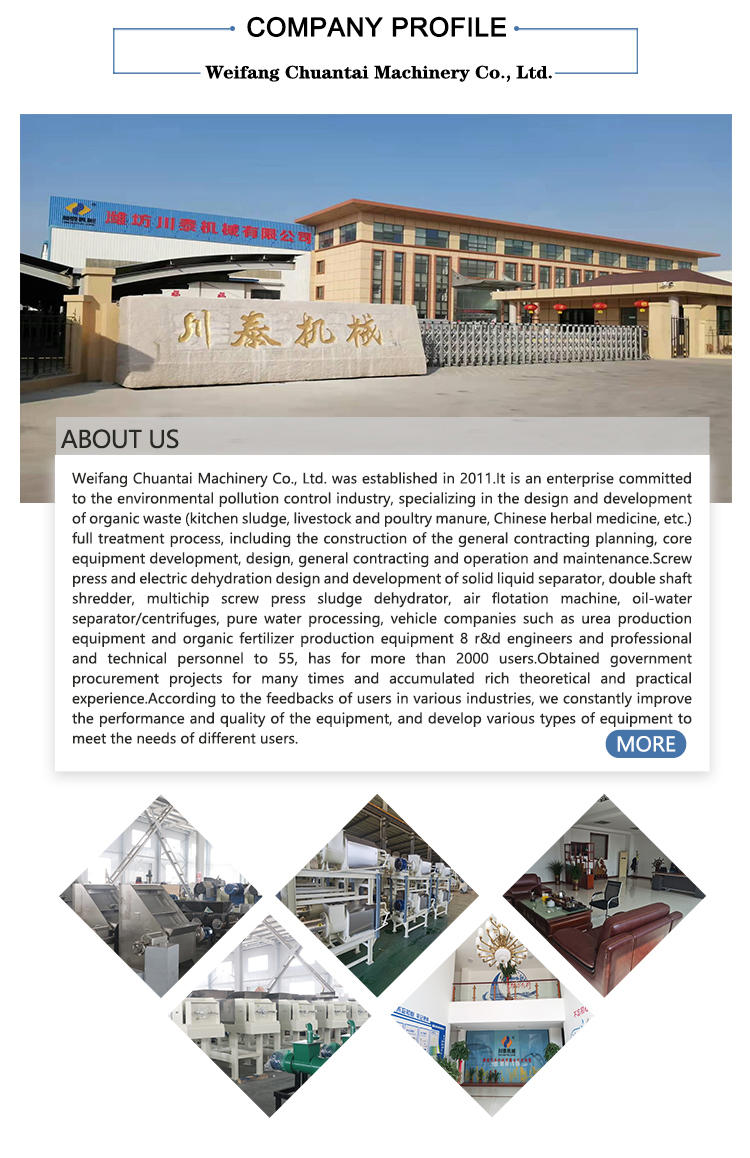
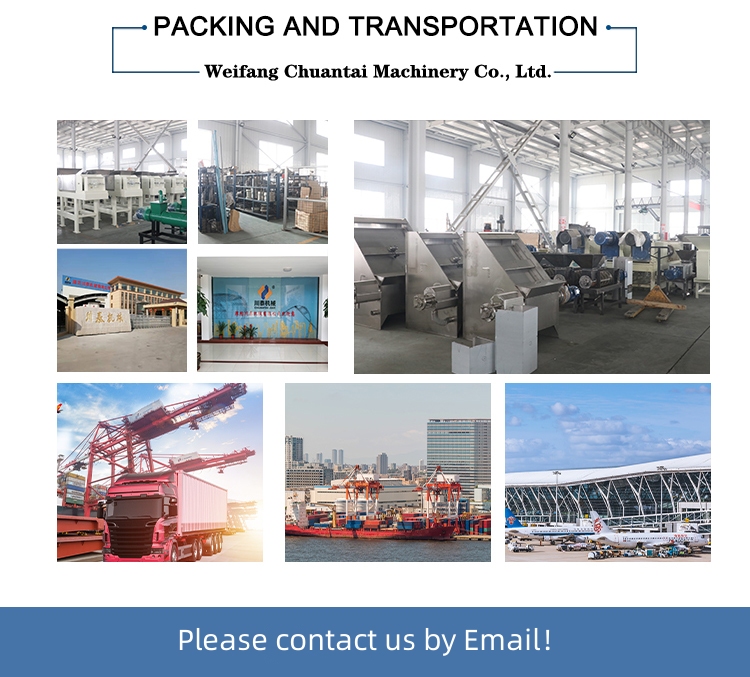
If you are sourcing an industrial manure separator for export or domestic use, working with an experienced manufacturer reduces risk. Chuantai Machinery (Weifang Chuantai Machinery Co., Ltd.) has specialized in screw press dewatering equipment since 2011 and is based in Weifang, Shandong Province — the “International Kite Capital” of China.
Why customers choose Chuantai:
Manufacturer, not a trading company — factory-direct pricing and full visibility of production.
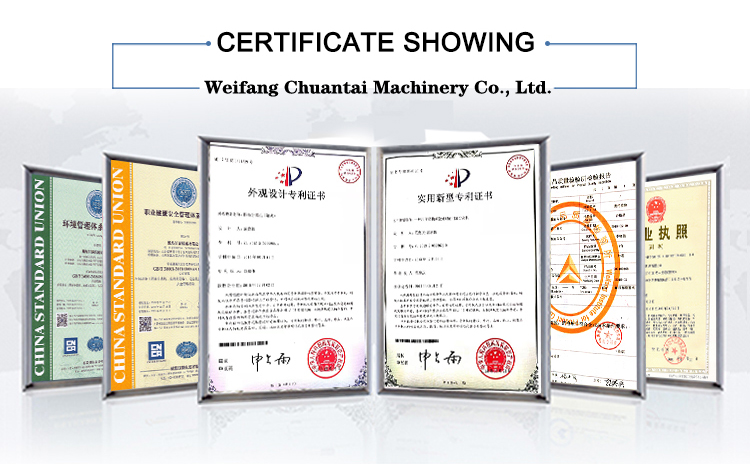
Certified management systems — ISO 9001:2015 quality, ISO 14001:2015 environmental, and ISO 45001:2018 occupational health and safety certification.
Recognized technology credentials — national high-tech enterprise qualification and multiple patented technologies.
Deep application experience — screw press machines supplied for cow dung, pig manure, poultry waste, biogas residue, kitchen waste, plastic residue, food processing by-products, and sludge.
Customization as standard — motor, reducer, screen mesh, and material can be configured to your requirements.
Free material testing — send a sample and the team will confirm the achievable dryness and capacity before you commit.
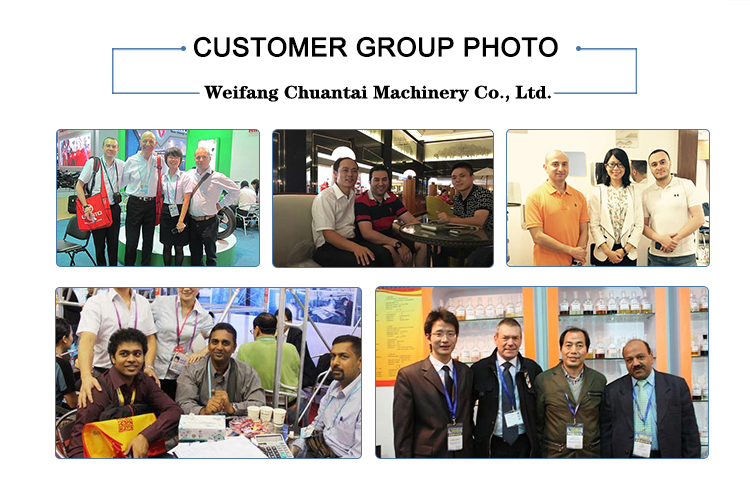
Support that continues after delivery — one-year warranty and lifetime technical support by email, phone, video conference, and optional on-site guidance; a 24-hour service line; more than ten years of after-sales experience serving over 2,000 clients.
Convenient logistics — a warehouse in the City of Industry, Los Angeles, CA 91748, USA, in addition to the China factory, so overseas buyers can choose the most economical shipping route.
Browse the screw press dewatering machine range or the screw press dehydration machine CTYZ-400 for reference configurations.
FAQ: Industrial Manure Separators
Q1. What is an industrial manure separator used for?
It separates animal manure and similar organic slurry into a solid fraction and a liquid fraction. The solids can be composted, used as bedding, or turned into fuel pellets, while the liquid can be used for irrigation or fed to a biogas digester.
Q2. What moisture content can an industrial manure separator achieve?
Most screw press separators reduce solids to roughly 35–50% moisture. The exact figure depends on the material and on how the adjustable outlet spring is set.
Q3. How much manure can a machine process per hour?
Typical throughput ranges from 5 m³/h to 30 m³/h depending on model and motor size. Your actual capacity will vary with the solids content and fibre length of your slurry.
Q4. Can one machine handle both cow dung and pig manure?
Yes. The screen gap is adjustable, usually between 0.25 mm and 2.0 mm, which allows one unit to be tuned for different manure types and moisture levels.
Q5. What maintenance is required?
Daily rinsing of the screen cylinder, periodic inspection of the screw flight and screen for wear, reducer lubrication, and correct belt or coupling tension. Keeping spare screens on hand avoids downtime.
Q6. Can the separator be customized for my power supply and material?
Yes. Motor power, reducer type, screen mesh, frame material, and electrical specifications can all be adapted. Most manufacturers need roughly seven working days to build a customized unit after receiving a deposit.
Q7. Is a sample test available before ordering?
Chuantai Machinery offers free testing of customer material, so you can verify achievable dryness and throughput before placing an order.
Q8. Where can I buy an industrial manure separator?
Buy directly from a manufacturer such as Chuantai Machinery, which supplies factory-direct machines with customization, testing support, and long-term technical service. Contact: chuantaiscrewpress@gmail.com.
Conclusion
An industrial manure separator turns one of the farm's biggest handling headaches into a source of value. By removing water from slurry, you cut hauling and storage costs, produce a solid material that can be composted or sold, and recover a liquid stream suited to irrigation or biogas production. Choosing the right machine comes down to matching throughput, screen specification, construction material, and after-sales support to your operation — and working with a manufacturer that will test your material and stand behind the equipment.
If you would like a configuration recommendation for your farm or biogas plant, send your material details to Chuantai Machinery and the team will suggest a suitable model and screen setup.
Get a Free Configuration Recommendation
Tell us your material type, daily volume, and target moisture. Chuantai Machinery will test your sample for free and suggest the right industrial manure separator — factory-direct, customizable, and backed by a one-year warranty with lifetime technical support.
Email: chuantaiscrewpress@gmail.com | Website: www.chuantaiscrewpress.com
If your company wants to establish a business relationship with us, please briefly describe the cooperation intention and send an email to:chuantaiscrewpress@gmail.com
![[list:title]](/static/upload/image/20240528/1716877114510915.jpg)