


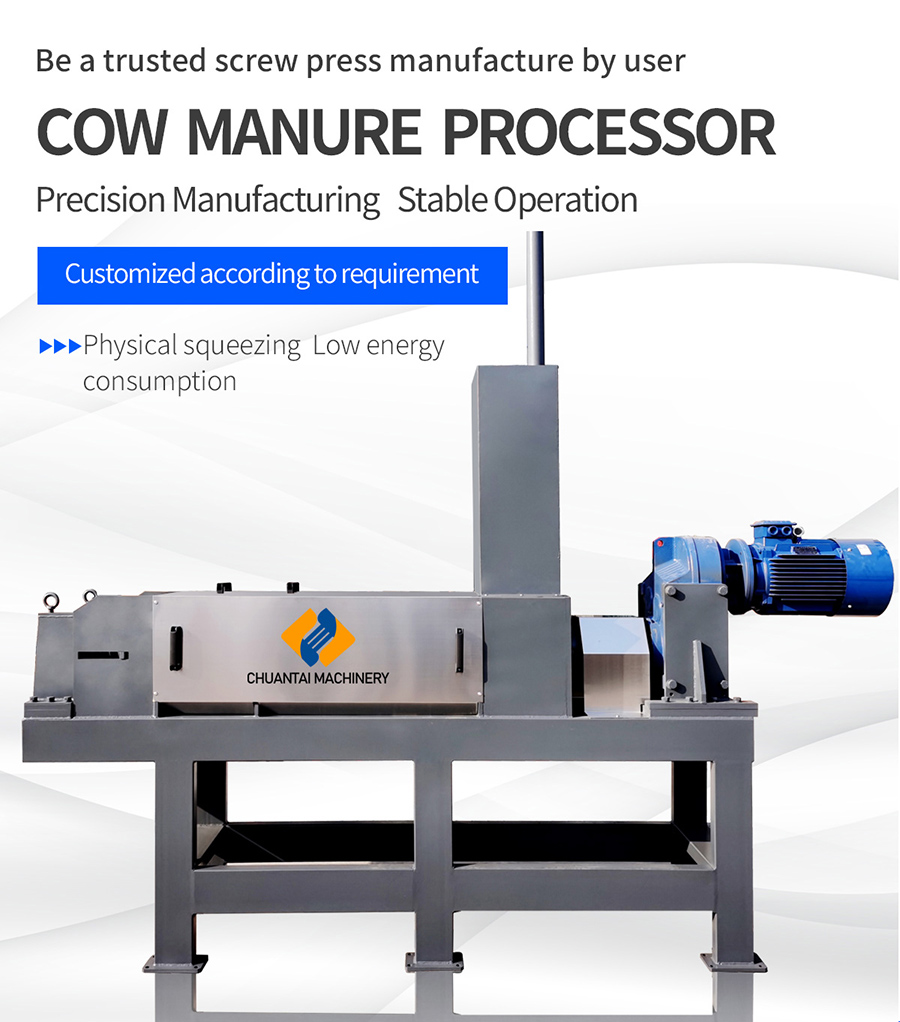
Screw Press Manure Separators: Working Principle, Benefits, Applications, and How to Choose the Right Equipment
Introduction
Livestock farms, dairy farms, pig farms, and poultry facilities generate large quantities of manure every day. If manure is not properly managed, its high moisture content can increase transportation costs, create unpleasant odors, and complicate storage, treatment, and resource recovery.
Screw press manure separators provide an efficient mechanical solution for separating liquid from solid manure. By using a rotating screw, a screen, and a controlled pressing mechanism, these machines reduce the moisture content of manure solids and produce a liquid fraction that can be managed through an appropriate treatment or reuse system.
For livestock farmers, agricultural waste treatment companies, and manure management equipment distributors, choosing the right screw press manure separator can improve daily handling efficiency and help reduce operating costs.
This article explains how screw press manure separators work, their major advantages, common applications, and the key factors to consider when selecting a suitable machine.
What Is a Screw Press Manure Separator?
A screw press manure separator is a mechanical solid-liquid separation machine designed to process animal manure and other organic slurries. It is commonly used for cow manure, pig manure, poultry manure, and other livestock waste streams, depending on their composition and the machine configuration.
The equipment typically consists of a feeding inlet, screw shaft, screen or filter basket, pressing section, drive motor, gearbox, liquid collection outlet, and solid discharge outlet.
During operation, manure enters the separator and is conveyed by the rotating screw. Liquid passes through the screen, while solid particles are retained and gradually compressed. The separated solids are discharged from the outlet, and the liquid fraction flows into a collection tank or downstream treatment system.
Compared with manual separation methods, a screw press manure separator offers a more consistent and controllable process. It can also be integrated into an automated manure handling line.
How Does a Screw Press Manure Separator Work?
The working process of a screw press manure separator generally includes four stages.
1. Manure Feeding
Fresh manure or a manure slurry is delivered to the machine through a feeding hopper or pump. Depending on the material, preliminary mixing, agitation, or screening may be required to ensure stable feeding and reduce the risk of blockage.
2. Mechanical Solid-Liquid Separation
The screw shaft rotates inside the screen or filter basket, transporting the manure toward the discharge end. Free liquid and smaller particles pass through the screen openings into the liquid collection section.
The screen size and screw configuration should be selected according to the manure characteristics and the required separation performance.
3. Screw Press Dewatering
As the material moves toward the discharge outlet, the screw and adjustable back-pressure mechanism generate compression. This pressure removes additional liquid from the retained solids.
The final moisture content depends on several factors, including the manure's initial consistency, fiber content, screen opening, screw design, and operating conditions.
4. Discharge and Collection
The separated solids leave through the discharge outlet, while the liquid fraction is collected separately.
The solid fraction may be suitable for composting, further drying, or other approved agricultural applications. The liquid fraction may require additional treatment, depending on local environmental regulations and the intended reuse method.

Key Benefits of Screw Press Manure Separators
1. Reduced Manure Volume and Transportation Costs
Manure often contains a high proportion of water. Removing part of this liquid can reduce the weight and volume of the solid fraction, potentially lowering transportation and storage costs.
The actual savings depend on the original manure properties, separation efficiency, and local handling costs.
2. Improved Manure Handling Efficiency
A screw press manure separator can process manure continuously when properly sized and operated. This helps farms handle daily manure production with less reliance on manual labor.
It is particularly useful for facilities that need a stable separation process as part of their routine manure management operations.
3. Support for Organic Fertilizer Production
The separated solid fraction may be used as a feedstock for composting or organic fertilizer production after appropriate treatment.
Removing excess free water can help improve material handling and make subsequent processing easier. However, additional drying, fermentation, nutrient management, or sanitation may be necessary before the material is suitable for its intended application.
4. Easier Liquid Manure Management
Separating solids from liquid can reduce the solids load entering downstream storage or treatment equipment. Depending on the wastewater characteristics, the liquid fraction may be directed to a treatment pond, anaerobic digestion system, or other suitable process.
Mechanical separation alone does not guarantee that the liquid fraction is safe for direct discharge or unrestricted agricultural reuse.
5. Adaptable Equipment Configuration
Screw press manure separators can be configured for different farm sizes and manure characteristics. Options may include different motor powers, screen openings, screw designs, feed systems, and wetted-part materials.
For corrosive or abrasive applications, material selection and wear-resistant components should be evaluated according to the actual operating conditions.

Applications of Screw Press Manure Separators
Dairy Farms and Cow Manure Treatment
Dairy farms generate manure containing water, fibrous material, and undigested feed residues. A screw press manure separator can reduce the liquid content of suitable cow manure streams and make the solid fraction easier to transport or compost.
For dairy operations, machine capacity should be matched to the daily manure volume and the farm's collection system.
Pig Farms and Swine Manure Management
Pig manure often contains substantial liquid and fine suspended solids. Screw press separation may be suitable for certain pretreated or conditioned swine manure streams.
Because fine particles can pass through the screen, some systems require upstream screening, dilution control, or flocculation. A material test is recommended before equipment selection.
Poultry Farms
Poultry manure characteristics vary depending on bedding, moisture content, and collection practices. Screw press equipment may be appropriate for certain wet poultry manure or poultry waste mixtures, provided the feed material is compatible with the separator.
Livestock Waste Treatment Plants
Commercial livestock farms and agricultural waste treatment facilities may use screw press manure separators as part of a larger process involving collection tanks, pumps, conveyors, composting equipment, or wastewater treatment systems.
Integrating the separator with upstream and downstream equipment can help improve the overall handling process.
Biogas and Anaerobic Digestion Facilities
In some biogas projects, mechanical separation is used before or after anaerobic digestion. The appropriate position depends on the process design, feedstock characteristics, and the project's treatment objectives.
Separating solids may support digestate handling, while the liquid fraction may be returned to the process or sent for further treatment. The system should be engineered according to the specific plant requirements.
How to Choose the Right Screw Press Manure Separator
Selecting the correct machine requires more than comparing motor power or nominal capacity. Buyers should evaluate the complete operating conditions.
1. Identify the Manure Type
Determine whether the feed material is cow manure, pig manure, poultry manure, mixed livestock waste, or digestate. Different materials have different fiber contents, particle sizes, and flow characteristics.
Providing a representative sample to the manufacturer can help determine whether a standard machine or a customized design is more appropriate.
2. Confirm Processing Capacity
Estimate the daily manure volume and the number of operating hours available. A separator should be sized according to the actual feed characteristics rather than a generic capacity figure.
When comparing supplier specifications, confirm whether the stated capacity refers to cubic meters per hour, tons per hour, or another unit, and ask under what material conditions the rating was measured.
3. Evaluate Solid-Liquid Separation Performance
Ask the manufacturer about expected solid throughput, liquid recovery, solid fraction moisture content, and the quality of the liquid output.
These figures should be assessed against the properties of your manure. Results obtained from one material may not apply to another.
4. Check Construction Materials
Manure can create corrosive and abrasive operating conditions. Stainless steel, carbon steel with appropriate protection, and other material options may be considered depending on the machine design and process environment.
For applications requiring corrosion resistance, buyers should confirm which components are made from stainless steel and whether the selected grade is suitable for the actual manure and cleaning chemicals.
5. Consider Installation and Maintenance
Check the machine's dimensions, electrical requirements, foundation, feeding arrangements, cleaning access, and spare parts availability.
Routine maintenance may include screen inspection, screw and bearing checks, gearbox lubrication, and removal of accumulated material. A straightforward maintenance design can help reduce downtime.
6. Compare Total Operating Costs
The purchase price is only one part of the investment. Consider electricity consumption, labor requirements, wear parts, maintenance intervals, wastewater treatment costs, and expected service life.
A machine with a suitable capacity and reliable after-sales support may provide better long-term value than a lower-priced unit that does not match the actual operating conditions.
Screw Press Manure Separator vs. Other Separation Methods
Different manure separation technologies serve different needs.
Screw press manure separators: Suitable for continuous mechanical separation and compression of compatible manure streams.
Vibrating screens: Primarily remove larger solids and may be less effective at dewatering fine or compressible materials.
Centrifuges: Use centrifugal force and may offer advantages for certain fine-particle separation applications, but investment and operating requirements can differ significantly.
Settling systems: Use gravity to separate settleable solids and may require larger tanks and longer retention times.
The best solution depends on manure composition, required throughput, final solid moisture content, available space, and the overall treatment process. In some facilities, combining multiple separation technologies provides better results than using a single machine.
Why Work with a Professional Screw Press Manure Separator Manufacturer?
Working with an experienced manufacturer can help buyers select equipment that matches their actual application.
When evaluating a supplier, consider the following:
Experience with the specific type of manure or organic waste.
Ability to customize screen openings, screw configurations, and machine materials.
Clear technical specifications and realistic performance expectations.
Availability of installation guidance, spare parts, and maintenance support.
Willingness to conduct material testing or provide a suitable equipment recommendation.
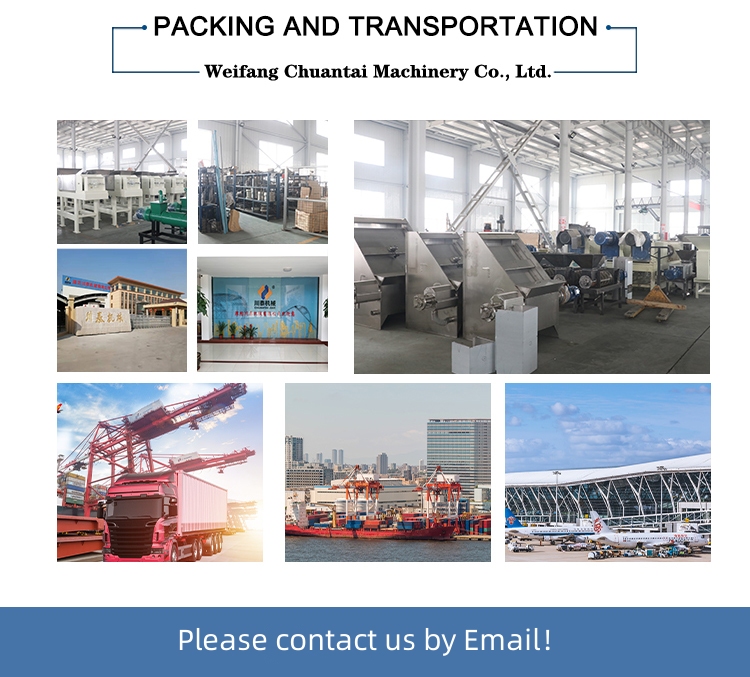
For international buyers, it is also useful to confirm voltage and frequency requirements, documentation, packaging, delivery terms, and export service capabilities before placing an order.
Frequently Asked Questions
What Is the Main Purpose of a Screw Press Manure Separator?
Its main purpose is to separate a compatible manure slurry into solid and liquid fractions through screening and mechanical compression. This can make manure easier to handle, transport, store, and process further.
Can a Screw Press Manure Separator Process Cow Manure?
Yes. Screw press manure separators are widely used for suitable cow manure streams. The required machine size and configuration depend on moisture content, fiber characteristics, solids concentration, and daily processing volume.
Can It Be Used for Pig Manure?
Yes, provided the manure characteristics are compatible with the selected machine. Pig manure often contains fine particles, so pretreatment or process adjustments may be necessary to achieve the desired separation performance.
What Is the Moisture Content of the Separated Solids?
There is no single moisture-content value that applies to every installation. The result depends on the feed material, screen design, screw geometry, back pressure, and operating conditions. Buyers should request test data for a comparable material.
Does the Separated Liquid Need Further Treatment?
In most cases, additional treatment or controlled storage is required. Mechanical separation reduces the solids content but does not necessarily remove dissolved nutrients, pathogens, or other contaminants.
Can the Equipment Be Customized?
Many manufacturers offer customization options, including processing capacity, motor and gearbox specifications, screen dimensions, construction materials, and feeding arrangements. The available options should be confirmed for the specific model.
Conclusion
Screw press manure separators are practical equipment solutions for livestock manure management, agricultural waste treatment, and selected biogas applications. By combining screening with mechanical compression, they separate suitable manure streams into solid and liquid fractions, supporting more efficient handling and downstream processing.
Choosing the right equipment requires careful evaluation of manure characteristics, processing capacity, separation requirements, construction materials, maintenance needs, and total operating costs.
If you are looking for a screw press manure separator for a dairy farm, pig farm, poultry facility, or manure treatment project, provide your manure type, daily processing volume, and target solid moisture content to a qualified manufacturer. These details will help determine the appropriate machine configuration for your application.
Contact our team to discuss your manure separation requirements and request a customized equipment recommendation.
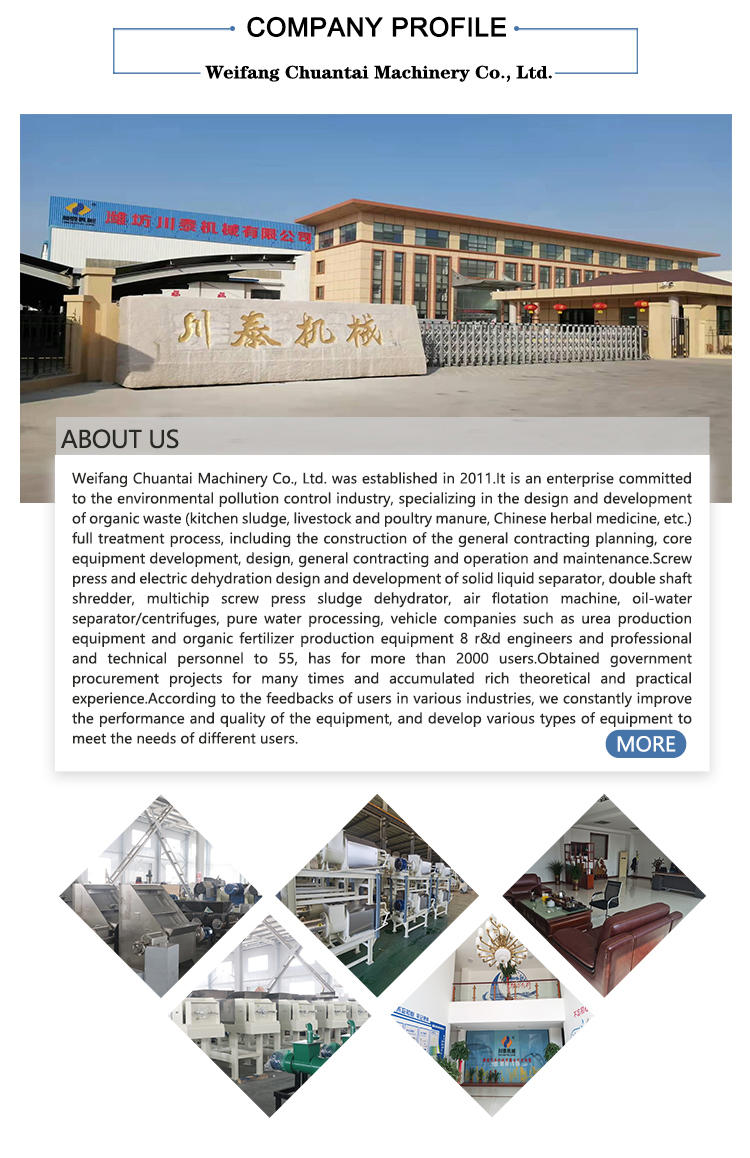
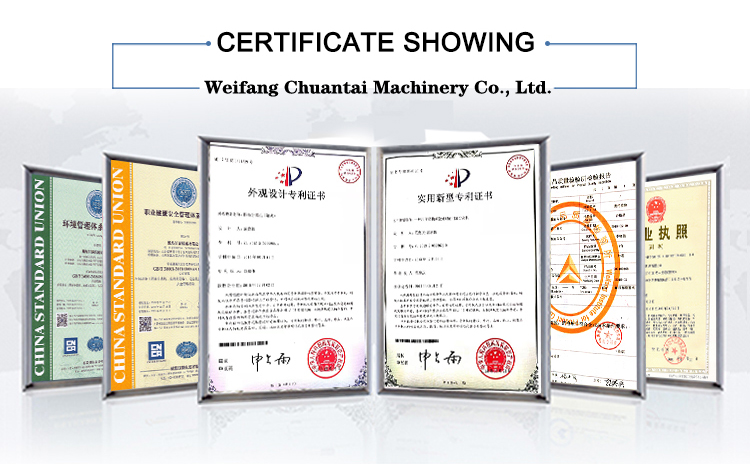
If your company wants to establish a business relationship with us, please briefly describe the cooperation intention and send an email to:chuantaiscrewpress@gmail.com
![[list:title]](/static/upload/image/20240528/1716877114510915.jpg)